Showing posts with label Fitness. Show all posts

Saturday, September 19, 2026

Arm Fat

Arm Fat
 Arm Fat

Arm fat refers to excess fat stored around the upper arms, which can make the arms appear less toned or firm. Regular physical activity, strength exercises, and a balanced diet can help reduce overall body fat and improve arm muscle tone.

Although it's something your body needs, you don't want to display it.  Your arms and legs, as well as your belly, are where it usually gathers.  It's difficult to reduce fat around your arms, even with intense workouts and weight training.

At Plastic Surgery, professionals can help you achieve a body you love. Board-certified plastic surgeons can help you get the toned arms you've been envisioning and provide many efficient therapies.

Why is arm fat so stubborn?

You know that ugly pudge under your skin is subcutaneous fat.  Even with the most rigorous exercise and nutrition, it is quite difficult to make it go away.

Sadly, there is no way to lose this fat, particularly if it is noticeable and persists in areas like your arms.  This can be attributed to your genetic makeup.  They have a big influence on where you store body fat.

Your body's fat storage location is also significantly influenced by your gender. Excess fat in the arms, thighs, and hips, for instance, is more common in women than in men. However, you're kind of out of luck either way because males also have fat in their arms.

No matter how hard you try, you can't control where you lose weight.  The loss of subcutaneous fat is a component of weight loss.  But since it originates wherever your body feels the need, it cannot be directed at your arms.

Tips to help you tone your arms

If you're having trouble getting rid of the excess fat around your arms, there are techniques to speed up the process.

The following lifestyle suggestions can help you reduce arm fat:

Lift weights

Working out with weights is a great way to tone your arms and lose fat.  Because your arms have more muscular mass, they seem thinner.  Also, muscle is a fantastic way to burn fat.

Incorporate bodyweight exercise

Utilizing your bodyweight as the resistance element results in very substantial outcomes if you lack transportation to the gym. Workouts that require bodyweight include push-ups and planks. Lifting weights is a great way to tone your arms and lose fat in them.

Focus on losing weight

Targeting particular parts of your body to lose fat is practically impossible.  The most effective strategy to get your arms in the desired form is to concentrate on losing weight overall.  While everyone's body loses fat differently, losing weight aids in weight reduction.

Keep hydrated

One strategy to assist you in reducing extra weight is to drink enough water, especially in troublesome places like your arms.  Because drinking a lot of water makes you feel fuller, you can consume fewer calories and lose weight.

To target your arms and reduce fat, you should consume a lot of protein, include cardio in your exercises, and increase your intake of fiber.  Nevertheless, despite diligent attempts, arm fat may persist, necessitating professional assistance from the Meridian Plastic Surgery experts.

When you need professional help

If you have tried dieting, exercising, and concentrating your exercises on burning fat in your arms without improvement, our crew is here to help.  You may attain these goals with cosmetic procedures, whether you're a male seeking to lose weight or a lady wanting to have toned, defined arms.

If you're having trouble losing persistent arm fat, Drs. There are several nonsurgical and surgical options available to help you get the arms of your dreams.  Among these therapies are:

Liposuction

Our experts suggest liposuction if you have unpleasant, persistent fat on your arms.  A surgical technique called liposuction involves removing body fat by sucking it out through a tube. 

Losing weight is not an alternative to liposuction.  You should be close to your optimum weight, and your goal should be to just eliminate stubborn areas of arm fat.

Coolsculpting

Using a cold laser, CoolSculpting is a non-invasive cosmetic technique that removes fat cells from your body.  This treatment is perfect for troublesome fat areas that are unaffected by leading a healthy lifestyle.

Arm lift

In cases where diet and exercise are insufficient to reduce fat or flabby skin, an arm lift may be helpful.  While tightening the skin around your upper arms, the team also removes fat and extra skin from those areas.

An arm lift makes surgically reducing stubborn arm fat simpler.

Do not be reluctant to contact our clinic at 8140980480 or 7383287808 if you are interested in toning your arms without cosmetic procedures.  You may also use the website's scheduling function to make an appointment.

Sunday, June 1, 2025

Body Fat Percentage


Body Fat Percentage
Body Fat Percentage

Body Fat Percentage

To determine the percentage of body fat in an organism, divide its total mass by its total mass, then multiply the result by 100. This covers body fat that is stored as well as that which is required. Life support and reproduction depend on essential body fat. Women have a higher proportion of essential body fat than men do because of hormonal changes and the demands of childbirth.

Adipose tissue accumulates fat, which is part of the storage body fat that shields the abdominal and chest organs. The proportion of body fat may be calculated using a variety of techniques, including bioelectrical impedance analysis and calipers.

Body fat percentage is a measure of fitness level since it is the only bodily parameter that is able to identify an individual's relative body composition without considering height or weight. Comparing the adiposity of people of various heights and weights is made possible by the commonly used body mass index (BMI).

Other measures of body fat provide more accurate findings because of variations in body composition; for instance, those with bigger bones or more muscle mass will have higher BMIs. This is because BMI mainly rises as adiposity increases. BMI is therefore a good measure of general fitness for a big population, but it's not a good way to assess a person's health.

Typical body fat amounts

Epidemiology shows that a person's body fat percentage changes with age and sex. Numerous theoretical perspectives exist about the connections among body fat percentage, athletic ability, health, etc. This has led to varying suggestions for the optimal percentages of body fat from various authorities.

This figure shows the average percentage of body fat among Americans from 1999 to 2004 based on data from the National Health and Nutrition Examination Survey (NHANES) in the United States.

Male body fat percentages varied from 23% when they were 16–19 years old to 31% when they were 60–79 years old. At ages 8–11 and 60–79, the mean proportion of body fat in females was 32% and 42%, respectively. However, it is crucial to acknowledge that in order to lead a normal, healthy life, women require at least 9% more body fat than males.

According to statistics from the 2003–2006 NHANES survey, less than 10% of American people had the "normal" body fat percentage, which is 5–20% for men and 8–30% for women.

31% of noninstitutionalized U.S. The 2017–2018 NHANES survey found that 43% of adults aged 20–74 are obese, including 9% who are extremely fat, and that 43% are overweight.[5]. Of these, just 26% were underweight or of normal weight.

The average body fat percentages of American Olympians in 1983 were 6–13% for men and 14–22% for women.

Body fat guidelines

When necessary fat levels fall below a certain threshold, physical and physiological health deteriorate, and death is unavoidable.

A University of Arizona study found that the ideal body fat percentage for sports performance is 12–18% for women and 6–15% for men. This suggests that body fat may have an impact on athletic performance.

The bodybuilders' optimal body fat range for competing. Expert personal trainers advise contestants to maintain that incredibly low body fat percentage alone throughout the competition. However, given (a) the methods to test such levels are inherently flawed and imprecise, as shown below, and (b) 4–6% is typically regarded as a physiological minimum for male humans, it is uncertain whether such levels are ever truly reached.

Measurement techniques

Human fat cells are nearly completely made up of pure triglycerides, which have an average density of around 0.9 kilos per liter, regardless of where they are derived from. In the majority of contemporary body composition labs, the density of the "fat-free mass" is measured at 1.1 kilos per liter.

A well-designed weighing equipment may be used to precisely assess body density by submerging a person completely in water and calculating the amount of water displaced based on the weight of the displaced water. Air in the lungs and other gases in the bodily compartments are adjusted for buoyancy. Because body components vary normally, the uncertainty in estimating body fat would be around ± 3.8% of body weight if there were no mistakes at all in determining body density.

Near-infrared interactance

It transmits an infrared laser beam into the biceps. The underlying muscle reflects the light, which the fat then absorbs. The procedure is quick, safe, non-invasive, and simple to use.

Dual energy X-ray absorptiometry

More recently, bone mineral density, body composition, and body fat percentage have been determined using dual-energy X-ray absorptiometry, or DXA (previously DEXA).

Of the two X-ray energies used to scan the body, fat absorbs more of one than the other. By subtracting one picture from another, a computer can determine how much fat there is at each location in relation to other tissues. The total body composition may be calculated by adding up all of the images.

Expansions

The proportion of body fat may be more precisely calculated using a number of more complex techniques. Some, called multicompartment models, may incorporate separate measurements of body water (by the dilution principle with isotopically labeled water) and body volume (either by water displacement or air plethysmography), in addition to the DXA assessment of bone. Other components, including potassium levels in the body, can be evaluated separately.

Wednesday, February 14, 2024

Weight Loss Clinic in Maninagar

Samarpan Physiotherapy and Weight Loss Clinic

  • It is located at 01, Nehru Park Society
  • near Bhairavnath Mandir
  • opposite Tirupati Khiru
  • Bhairavnath, Maninagar
  • Ahmedabad, Gujarat 380028
Natural Way to Lose Weight
What is a Samarpan Weight Loss Clinic?

A Samarpan weight loss clinic is a facility that provides medical supervision and support to people who want to lose weight. They typically employ a team of healthcare professionals, including doctors, nurses, registered dietitians, and exercise physiologists.

Weight loss clinics offer a variety of services, including:

Personalized weight loss plans: These plans are tailored to the individual's needs and goals, taking into account their medical history, current weight, activity level, and preferences.

Nutritional counseling: A registered dietitian can provide guidance on healthy eating habits and how to create a calorie-controlled diet that meets your nutritional needs.

Exercise counseling: An exercise physiologist can help you develop a safe and effective exercise program that is appropriate for your fitness level.

Behavior modification: A therapist or counselor can help you identify and change unhealthy behaviors that may be contributing to your weight gain.

Medication management: In some cases, a doctor may prescribe medication to help with weight loss, such as appetite suppressants or medications to help manage underlying medical conditions that may be contributing to weight gain.

Are weight loss clinics effective?

Studies have shown that weight loss clinics can be effective in helping people lose weight and keep it off. However, it is important to choose a reputable clinic that offers evidence-based treatments and is staffed by qualified healthcare professionals.

Here are some things to consider when choosing a weight loss clinic:

The qualifications of the staff: Make sure the clinic is staffed by qualified healthcare professionals, such as doctors, nurses, registered dietitians, and exercise physiologists.

The types of services offered: Make sure the clinic offers services that are right for you, such as personalized weight loss plans, nutritional counseling, and exercise counseling.

The cost of services: Weight loss clinics can be expensive. Be sure to compare the cost of services at different clinics before making a decision.

Your insurance coverage: Some insurance plans may cover weight loss clinic services. Be sure to check with your insurance company to see if you are covered.

Overall, weight loss clinics can be a valuable resource for people who want to lose weight and keep it off. However, it is important to choose a reputable clinic that offers evidence-based treatments and is staffed by qualified healthcare professionals.

The quest for weight loss is a journey undertaken by millions around the world, each motivated by unique goals and aspirations. While the desire may be universal, the path toward achieving it can feel like a complex maze. This article aims to illuminate your way by providing a comprehensive guide, equipping you with knowledge and strategies to navigate your weight loss journey successfully.

Understanding the Basics:

Calories: Weight loss boils down to a simple equation: consuming fewer calories than you burn. Understanding your daily calorie needs based on your age, weight, and activity level is crucial.

Macro & Micronutrients: While calorie management is essential, prioritize nutrient-rich foods. Focus on fruits, vegetables, whole grains, lean protein, and healthy fats for balanced nutrition.

Sustainable Changes: Fad diets and crash courses might offer quick fixes, but lasting results stem from sustainable lifestyle changes you can maintain in the long run.

Building Your Plan:

Dietary Tweaks: Small, achievable adjustments to your diet make a big difference. Swap sugary drinks for water, choose whole-wheat bread instead of white, and limit processed foods.

The Power of Protein: Protein helps you feel fuller for longer, reducing cravings and aiding in muscle preservation during weight loss.

Don't Neglect Carbs: Complex carbohydrates like whole grains provide sustained energy and fiber, keeping you feeling your best.

Mindful Eating: Pay attention to your hunger cues and avoid mindless snacking. Savor your meals and make conscious food choices based on your body's needs.

Moving Your Body:

Find Your Exercise Groove: Whether it's brisk walking, swimming, dancing, or team sports, choose activities you enjoy and can stick with.

Start Gradually: Begin with manageable goals and gradually increase intensity and duration as your fitness improves.

Strength Training Matters: Don't shy away from lifting weights; building muscle boosts metabolism and helps sculpt your physique.

Consistency is Key: Aim for at least 150 minutes of moderate-intensity exercise or 75 minutes of vigorous activity per week, spread throughout the week.

Beyond the Physical:

Sleep Well: Adequate sleep (7-8 hours) regulates hormones crucial for weight management and curbs cravings.

Manage Stress: Chronic stress can hinder weight loss efforts. Practice relaxation techniques like yoga, meditation, or deep breathing.

Seek Support: Surround yourself with a positive and supportive network. Consider joining a weight loss group or seeking professional guidance if needed.

Remember:

Progress, not Perfection: Weight loss is a journey, not a destination. Celebrate every milestone and don't get discouraged by setbacks.

Listen to Your Body: Every individual responds differently to diet and exercise. Pay attention to your body's cues and adjust your approach as needed.

Focus on Overall Health: While weight loss can be a goal, prioritize your overall health and well-being. Enjoy the process, embrace a healthy lifestyle, and celebrate your achievements.

This guide equips you with the fundamental knowledge and strategies to navigate your weight loss journey. Remember, consistency, mindfulness, and a positive attitude are your key allies. Embrace the process, celebrate your progress, and empower yourself to achieve your goals!

Tuesday, March 21, 2023

Obesity: Cause, Symptoms, Treatment, Diet Plan, Exercise

What is Obesity?

Obesity
Obesity

Obesity is a medical condition characterized by excess body fat that has accumulated to the extent that it may have a negative effect on a person's health. It is commonly defined as having a body mass index (BMI) of 30 or greater. BMI is a measure of body fat based on height and weight.

Obesity is a complex disease that is caused by a combination of genetic, environmental, and lifestyle factors. Some of the common causes of obesity include a sedentary lifestyle, poor dietary habits, hormonal imbalances, certain medications, and genetic factors.

Obesity is associated with a number of health problems, including type 2 diabetes, heart disease, high blood pressure, stroke, sleep apnea, and certain types of cancer. It can also have a negative impact on mental health and quality of life.

Treatment for obesity usually involves a combination of lifestyle changes, such as adopting a healthy diet and increasing physical activity, as well as medical interventions, such as weight loss medications and bariatric surgery. It is important to seek medical advice if you are concerned about your weight or are experiencing any related health problems.

Classification of Obesity

Obesity is classified based on body mass index (BMI) and waist circumference measurements. The classifications of obesity are as follows:

  • Class 1 Obesity: BMI between 30-34.9
  • Class 2 Obesity: BMI between 35-39.9
  • Class 3 Obesity (also known as extreme or severe obesity): BMI of 40 or higher

Waist circumference is also a measure that can help classify obesity. For men, a waist circumference of more than 40 inches (102 cm) is considered obese. For women, a waist circumference of more than 35 inches (88 cm) is considered obese.

It is important to note that BMI and waist circumference are only rough measures of obesity and may not accurately reflect a person's body fat percentage or overall health. Therefore, it is important to consult with a healthcare provider to determine the most appropriate course of action for managing obesity.

How Obesity affect the Body?

Obesity can have a negative impact on almost every system in the body. Here are some of the ways in which obesity can affect the body:

  • Cardiovascular system: Obesity is associated with an increased risk of heart disease, high blood pressure, stroke, and heart attack.
  • Respiratory system: Obesity can lead to sleep apnea, which is a serious condition that causes breathing to stop and start repeatedly during sleep.
  • Gastrointestinal system: Obesity increases the risk of developing gastroesophageal reflux disease (GERD), gallstones, and non-alcoholic fatty liver disease (NAFLD).
  • Musculoskeletal system: Excess weight puts additional strain on the bones and joints, increasing the risk of osteoarthritis and other musculoskeletal disorders.
  • Endocrine system: Obesity can disrupt the body's hormonal balance, leading to insulin resistance, type 2 diabetes, and other metabolic disorders.
  • Immune system: Obesity is associated with chronic low-grade inflammation, which can lead to a weakened immune system and an increased risk of infections.
  • Reproductive system: Obesity can lead to hormonal imbalances that can affect fertility and increase the risk of certain types of cancer.
  • Mental health: Obesity is associated with an increased risk of depression, anxiety, and other mental health disorders.

Overall, obesity can significantly reduce a person's quality of life and increase the risk of a range of chronic health problems. Therefore, it is important to take steps to manage and prevent obesity.

Causes of Obesity

Obesity is caused by a complex interplay of genetic, environmental, and lifestyle factors. Here are some of the common causes of obesity:

  • Poor dietary habits: Consuming a diet high in calories, saturated fat, and sugar can contribute to weight gain and obesity.
  • Sedentary lifestyle: Lack of physical activity is a major contributor to obesity.
  • Genetics: Obesity can run in families due to inherited genetic factors that affect the metabolism and the way the body stores and burns fat.
  • Hormonal imbalances: Hormonal imbalances, such as an underactive thyroid gland, can contribute to weight gain and obesity.
  • Certain medications: Some medications, such as antidepressants, antipsychotics, and steroids, can contribute to weight gain and obesity as a side effect.
  • Environmental factors: Living in an environment that promotes unhealthy eating and physical inactivity, such as food deserts, can contribute to obesity.
  • Psychological factors: Emotional eating and stress can contribute to overeating and weight gain.
  • Medical conditions: Certain medical conditions, such as Cushing's syndrome and Prader-Willi syndrome, can cause obesity.

It is important to note that obesity is often the result of a combination of these factors, and it can vary from person to person. Therefore, it is important to work with a healthcare provider to develop an individualized approach to managing and preventing obesity.

Symptoms of Obesity

Obesity itself is not a symptom, but rather a medical condition characterized by excess body fat. However, there are some physical and emotional signs and symptoms that can be associated with obesity, including:

  • Excessive body weight and body mass index (BMI) of 30 or higher.
  • Large waist circumference, greater than 40 inches in men and 35 inches in women.
  • Breathlessness during physical activity or with exertion.
  • Increased sweating and body odor.
  • Joint pain and stiffness.
  • Chronic fatigue and tiredness.
  • Sleep disturbances, such as snoring and sleep apnea.
  • Skin problems, such as fungal infections, acne, and rashes.
  • Psychological problems, such as low self-esteem, depression, anxiety, and social isolation.

It is important to note that not everyone who is overweight or obese will experience these symptoms. Additionally, some individuals with obesity may not have any noticeable symptoms at all. The diagnosis of obesity is typically made based on a person's BMI and waist circumference measurements. If you are concerned about your weight or are experiencing any related symptoms, it is important to consult with a healthcare provider.

Risk factor

There are several risk factors that can increase the likelihood of developing obesity, including:

  • Poor dietary habits: Consuming a diet high in calories, saturated fat, and sugar can increase the risk of obesity.
  • Sedentary lifestyle: Lack of physical activity is a major risk factor for obesity.
  • Genetics: Family history of obesity and certain genetic factors can increase the risk of developing obesity.
  • Age: The risk of obesity increases with age, as metabolism slows down and muscle mass decreases.
  • Medical conditions: Certain medical conditions, such as hypothyroidism, Cushing's syndrome, and Prader-Willi syndrome, can increase the risk of obesity.
  • Medications: Certain medications, such as antidepressants, antipsychotics, and steroids, can contribute to weight gain and increase the risk of obesity.
  • Sleep disorders: Sleep apnea and other sleep disorders can contribute to obesity.
  • Stress: Chronic stress can lead to overeating and contribute to obesity.
  • Environment: Living in an environment that promotes unhealthy eating and physical inactivity, such as food deserts and lack of access to recreational facilities, can increase the risk of obesity.

It is important to note that having one or more of these risk factors does not necessarily mean a person will develop obesity. However, it is important to be aware of these risk factors and to take steps to manage and prevent obesity, such as eating a healthy diet, exercising regularly, and seeking medical attention for any underlying medical conditions.

Diagnosis

The diagnosis of obesity is typically based on a person's body mass index (BMI) and waist circumference measurements. BMI is a measure of body fat based on height and weight. A BMI of 30 or higher is considered obese, while a BMI between 25 and 29.9 is considered overweight.

Waist circumference is another measure that is used to assess abdominal fat, which can be a risk factor for obesity-related health problems. A waist circumference of greater than 40 inches in men and 35 inches in women is considered to be a risk factor for obesity-related health problems.

In addition to BMI and waist circumference measurements, a healthcare provider may also ask about the person's medical history, family history, and lifestyle habits, such as diet and exercise. Blood tests may also be ordered to check for underlying medical conditions, such as thyroid disease or diabetes, which can contribute to weight gain and obesity.

It is important to note that the diagnosis of obesity should be made by a healthcare professional, and not based solely on self-assessment or personal opinions. If you are concerned about your weight or have any related symptoms, it is important to consult with a healthcare provider.

Difference between Overweight and Obesity

Overweight and obesity are related but different terms used to describe an excess of body weight. Here is the difference between the two:

  • Overweight: Overweight is defined as having a body mass index (BMI) between 25 and 29.9. This means that a person is carrying excess weight, but not enough to be classified as obese.
  • Obesity: Obesity is defined as having a BMI of 30 or higher. This means that a person is carrying excess body fat that can have negative effects on health.

Both overweight and obesity are caused by a combination of genetic, environmental, and lifestyle factors. However, obesity is generally considered to be a more serious health concern, as it can increase the risk of many health problems, including diabetes, heart disease, and certain types of cancer.

It is important to note that BMI is not always an accurate measure of body fat, particularly for athletes or individuals with a high amount of muscle mass. Therefore, other factors, such as waist circumference and body composition, may be used to assess a person's weight and health risks. If you are concerned about your weight or have any related symptoms, it is important to consult with a healthcare provider.

Fact about Obesity

Here are some facts about obesity:

Obesity is a major public health concern: Obesity is a leading cause of preventable death worldwide, and it is associated with an increased risk of many chronic diseases, including heart disease, stroke, diabetes, and certain types of cancer.

Obesity rates are increasing: The prevalence of obesity has been steadily increasing in many parts of the world over the past few decades, including in developed and developing countries.

Obesity affects people of all ages: While the prevalence of obesity increases with age, it can affect people of all ages, including children and adolescents.

Obesity is linked to many factors: Obesity is linked to a combination of genetic, environmental, and lifestyle factors, including poor diet, lack of physical activity, genetics, and certain medical conditions.

Obesity can be prevented and treated: While obesity is a complex condition, it can be prevented and treated through a combination of healthy eating, physical activity, behavior changes, and in some cases, medication and surgery.

Obesity has economic and social impacts: Obesity can have significant economic and social impacts, including increased healthcare costs, reduced productivity, and social stigma.

It is important to note that obesity is a complex and multifactorial condition, and each individual's experience with obesity is unique. Therefore, it is important to approach obesity prevention and treatment with a personalized and comprehensive approach.

Treatment of Obesity

The treatment of obesity typically involves a combination of lifestyle changes, such as diet and exercise, as well as medical interventions in some cases. Here are some common approaches to the treatment of obesity:

  • Diet and Exercise: A healthy diet and regular exercise can help promote weight loss and improve overall health. A healthcare professional or registered dietitian can help develop a personalized nutrition plan, while an exercise specialist can help develop a safe and effective exercise plan.
  • Behavior Modification: Behavior modification techniques, such as setting goals, monitoring food intake, and tracking physical activity, can help promote long-term weight loss.
  • Medications: Certain medications, such as prescription weight-loss drugs, may be used in combination with diet and exercise to help promote weight loss in some cases. However, medications should only be used under the guidance of a healthcare professional.
  • Surgery: Bariatric surgery, such as gastric bypass or gastric sleeve surgery, may be recommended for individuals with severe obesity who have not responded to other treatments. These procedures work by reducing the size of the stomach, which can help promote weight loss.
  • Our weight loss training is really helpful for you if you want to plan for weight loss.

It is important to note that the treatment of obesity should be individualized based on each person's unique needs and health status. A healthcare professional can help develop a personalized treatment plan and provide ongoing support and guidance.

Best Diet plan for Obesity

There is no one-size-fits-all diet plan for obesity as the best diet plan will depend on individual needs, preferences, and health status. However, here are some general guidelines for a healthy and balanced diet that can help promote weight loss and improve overall health:

Emphasize whole, nutrient-dense foods: Eat plenty of fruits, vegetables, whole grains, lean proteins, and healthy fats. These foods are rich in nutrients and can help keep you feeling full and satisfied.

Limit processed and high-calorie foods: Processed foods and those high in added sugars, salt, and unhealthy fats can contribute to weight gain and other health problems.

Practice portion control: Use smaller plates and practice mindful eating to help control portions and prevent overeating.

Stay hydrated: Drink plenty of water and limit sugary drinks, such as soda and juice.

Seek professional guidance: A registered dietitian or healthcare professional can help develop a personalized nutrition plan and provide ongoing support and guidance.

It is important to note that diet alone may not be sufficient for long-term weight loss and maintenance. A combination of diet and exercise, as well as behavior modifications and support, may be necessary for success. It is also important to consult with a healthcare professional before starting any new diet or exercise program.

Best Home exercises for weight lose

Here are some effective home exercises that can help with weight loss:

  • Bodyweight Squats: Stand with your feet shoulder-width apart, lower your hips until your thighs are parallel to the floor, then stand back up. Repeat for several sets of 10-20 reps.
  • Lunges: Step forward with one foot and bend both knees until the back knee is just above the floor. Step back to the starting position and repeat with the other leg. Repeat for several sets of 10-20 reps on each leg.
  • Push-ups: Start in a plank position with your hands shoulder-width apart, lower your body until your chest touches the ground, then push back up. Repeat for several sets of 10-20 reps.
  • Jumping Jacks: Start with your feet together and arms at your sides, then jump up and spread your legs while raising your arms above your head. Jump back to the starting position and repeat for several sets of 10-20 reps.
  • High Knees: Stand with your feet hip-width apart, lift one knee to your chest, then quickly switch to lift the other knee. Repeat for several sets of 30-60 seconds.
  • Mountain Climbers: Start in a plank position with your hands shoulder-width apart, then quickly alternate bringing your knees to your chest. Repeat for several sets of 30-60 seconds.

It's important to note that exercise alone may not be enough for weight loss, and a combination of diet and exercise is often recommended. Additionally, it's important to consult with a healthcare professional before starting any new exercise program, especially if you have any pre-existing medical conditions.

Lifestyle changes

Lifestyle changes can be an important part of managing obesity and promoting weight loss. Here are some lifestyle changes that can help:

  • Improve diet: Adopting a healthy, balanced diet that emphasizes whole, nutrient-dense foods and limits processed and high-calorie foods can help promote weight loss and improve overall health.
  • Increase physical activity: Regular exercise can help promote weight loss, improve cardiovascular health, and reduce the risk of other chronic diseases. Aim for at least 150 minutes of moderate-intensity aerobic exercise per week, in addition to strength training and stretching.
  • Get enough sleep: Inadequate sleep has been linked to weight gain and obesity. Aim for 7-9 hours of quality sleep per night.
  • Manage stress: Chronic stress can contribute to weight gain and other health problems. Find healthy ways to manage stress, such as meditation, deep breathing, or yoga.
  • Stay hydrated: Drinking enough water can help promote weight loss and reduce calorie intake. Aim for at least 8-10 cups of water per day.
  • Seek support: Joining a support group, working with a healthcare professional, or seeking the support of friends and family can help provide accountability, encouragement, and motivation.

Remember, lifestyle changes are most effective when they are sustainable and made gradually over time. Small changes can add up to big results, and it's important to focus on progress, not perfection.

Surgery of Obesity

Surgery may be an option for individuals with severe obesity who have not been able to lose weight through other means, such as diet and exercise. Here are some common types of weight loss surgeries:

  • Gastric Bypass Surgery: This surgery involves creating a small pouch from the stomach and rerouting the small intestine to the pouch. This reduces the amount of food you can eat and limits the absorption of calories.
  • Sleeve Gastrectomy: This surgery involves removing a large portion of the stomach, leaving a small sleeve-shaped portion. This reduces the amount of food you can eat and limits the production of the hunger hormone ghrelin.
  • Adjustable Gastric Banding: This surgery involves placing a band around the upper part of the stomach, creating a small pouch. The band can be adjusted to control the amount of food that can pass through the stomach.
  • Biliopancreatic Diversion with Duodenal Switch: This surgery involves removing a portion of the stomach and rerouting the small intestine to the remaining portion. This limits the amount of food you can eat and reduces the absorption of calories and nutrients.

Weight loss surgery can have significant risks and should only be considered after other weight loss methods have been attempted. It is important to consult with a healthcare professional to determine if weight loss surgery is the right option for you, and to fully understand the potential risks and benefits. Post-surgery, it is important to follow a strict diet and exercise plan to maintain weight loss and avoid complications.

Complications of Obesity

Obesity can increase the risk of several complications and health problems, including:

  • Cardiovascular Disease: Obesity can increase the risk of heart disease, heart attack, stroke, and other cardiovascular problems.
  • Type 2 Diabetes: Obesity is a major risk factor for type 2 diabetes, a chronic condition that affects blood sugar regulation.
  • Sleep Apnea: Obesity can contribute to the development of sleep apnea, a condition in which breathing is repeatedly interrupted during sleep.
  • Joint Problems: Obesity can put additional stress on the joints, increasing the risk of arthritis and joint pain.
  • Cancer: Obesity has been linked to an increased risk of several types of cancer, including breast, colon, and prostate cancer.
  • Mental Health Problems: Obesity can contribute to depression, anxiety, and other mental health problems.
  • Reproductive Problems: Obesity can increase the risk of infertility, polycystic ovary syndrome (PCOS), and other reproductive problems.
  • Digestive Problems: Obesity can increase the risk of acid reflux, fatty liver disease, and other digestive problems.
  • Skin Problems: Obesity can contribute to the development of skin problems, such as skin infections, stretch marks, and cellulite.

It's important to note that not all individuals with obesity will experience these complications, and some individuals with a normal body weight may still be at risk for these health problems. However, managing obesity through diet, exercise, and other lifestyle changes can help reduce the risk of these complications and improve overall health.

How Obesity prevented?

Preventing obesity involves adopting healthy habits that promote weight management and overall health. Here are some ways to prevent obesity:

  • Maintain a Healthy Diet: Eating a balanced, nutrient-dense diet that emphasizes whole foods, fruits and vegetables, lean protein, and healthy fats can help prevent obesity.
  • Exercise Regularly: Regular physical activity can help burn calories, promote weight loss, and improve overall health. Aim for at least 150 minutes of moderate-intensity aerobic exercise per week, in addition to strength training and stretching.
  • Get Enough Sleep: Inadequate sleep has been linked to weight gain and obesity. Aim for 7-9 hours of quality sleep per night.
  • Manage Stress: Chronic stress can contribute to weight gain and other health problems. Find healthy ways to manage stress, such as meditation, deep breathing, or yoga.
  • Limit Screen Time: Spending too much time sitting and watching television or using electronic devices can contribute to weight gain. Limit screen time and aim for at least 30 minutes of physical activity each day.
  • Stay Hydrated: Drinking enough water can help promote weight loss and reduce calorie intake. Aim for at least 8-10 cups of water per day.
  • Seek Support: Joining a support group, working with a healthcare professional, or seeking the support of friends and family can help provide accountability, encouragement, and motivation.

By adopting these healthy habits, you can reduce the risk of obesity and improve overall health. It's important to remember that small changes can add up to big results, and focusing on progress, not perfection, is key to long-term success.

Conclusion

Obesity is a complex and serious health condition that affects a significant portion of the population worldwide. It can increase the risk of several complications and health problems, including cardiovascular disease, type 2 diabetes, sleep apnea, joint problems, cancer, mental health problems, reproductive problems, digestive problems, and skin problems. 

However, obesity can be managed and prevented through a combination of healthy lifestyle habits, such as maintaining a healthy diet, exercising regularly, getting enough sleep, managing stress, limiting screen time, staying hydrated, and seeking support. By adopting these habits and focusing on progress, individuals can reduce the risk of obesity and improve overall health. It's important to work with healthcare professionals to develop a personalized plan for managing and preventing obesity.

Friday, January 8, 2021

Top 10 Powerful Fat Burning Foods for Weight Loss


Top 10 Powerful Fat Burning Foods for Weight Loss

Top 10 Powerful Fat Burning Best Foods are not only Helps in Weight loss But also Helps to get Important Nutrients mainly Multi-Vitamines and Minerals and Helps to improve Fitness and Body Shape Naturally.

Balance Diet are the Key to Loose weight (Extra Fat) Naturally and we can use it in our Daily Routine Breakfast and Meals. Here we Update those foods that are available easily, Easy to follow and also Cost-effective Diet.

Mostly we Hear from our nearby people Mostly relative that This foods not to eat and avoiding foods (Fasting) is not the solution of Weight loss Program, Fasting will make you your Body weak (Lower Stamina) and Loose weight only for Temporarily, we can't Fasting for Life long so we Suggest few Best Foods we can easily add in our Diet / Breakfast on Daily basis and Make our Body strong enough (Improve Stamina) get all nutrients equally and also same time we Loose Extra Body Fat.


Top 10 Fat Burning Foods

Balance Diet Means we have all nutrients eat equally nor more or less, eg. Extra fat may leads Obesity and related Life style Disease. So we can Lower Foods That Have High Fat and increase Foods That Low Fat and but have other nutrients enough, this will improve our body more in shape and also improve stamina.If You want eat Balance diet , your dish must have varieties of Foods with Different colours mainly salads and Fruit.

List of 10 Best Fat Burning Foods for Obesity are as per follows : 

Healthy Foods for Weight Loss

  1. Water
  2. Salads
  3. Fruit
  4. Beans and Legumes
  5. Soups
  6. Grapefruit
  7. Coconut Water
  8. Pumpkin
  9. Green Peas
  10. Blueberries / Raspberries
1. Water :

Water is a Zero Calories Diet with low in a minerals and Most natural fat burning foods.  Everyone should Keeping hydrated is very important for health and well-being, but many people do not take enough water each day. Normal human body requires 3 to 4 litres everyday. In summer we can increase water and winter we can lower water consumption accordingly. Body require water at regular interval to function properly, all the cells and organs of the body need water.

Benefits of Water :
  • Crucial role in weight loss
  • Water affects energy levels and brain function.
  • Helps improve physical performance
  • May help treat kidney stones
  • May help prevent and treat headaches
  • It may help reduce the risk of bladder infections
  • Improves Skin Complexion
  • Maintain Blood Pressure mainly low Blood pressure
  • May help relieve constipation
  • It flushes body waste

2. Salads :             
Importance of Salads

Salads are High in Fiber and more in multi-vitamines, High Fibre diet are crucial for Proper weight loss program. Among Foods groups, Salads have High in Fibre and most natural and easy to available at home or in market and also cost-effective as well. Salads have a very good role to prevent disease, also maintain health and makes you younger. 

Benefits of Salads :
  • Fiber helps to reduce LDL or “bad” cholesterol.
  • Improve Vision
  • Improve Skin Condition
  • Maintain Hemoglobin level
  • Reduce Extra Fat
  • Natural reliever of constipation
  • Improve Immunity
  • Improved Digestion
  • Strong Anti-aging role (Longer Lifespan)
  • Improved muscle performance
  • Rich source of Antioxidant
We should Eat daily salads 2 times a day is recommended mostly by dietitian maintain Balance diet and also helps  to reduce weight.

3. Fruit :

Fruit are the the fleshy or dry ripened ovary of a flowering plant, covering the seeds. eg. apples, apricots, bananas, and grapes, lemons, oranges, and strawberries, as well as bean pods, corn grains, tomatoes, cucumbers, and (in their shells) acorns and almonds, are all technically fruits.  However, the fruit term is used mainly to the ripened ovaries that are sweet and or either succulent or pulpy.

Fruits are important sources nutritional value mainly multi vitamins (especially vitamin C), and antioxidants and also dietary fibre. Few important benefits are as per below :

  • Fruits contain fiber, which can help lower your cholesterol and encourage regular bowel movements. eg. Apples, pears, blackberries, and raspberries are high in dietary fiber. High Fibre fruit also helps in reducing extra fat and also helps in constipation.
  • Oranges, lemons, red peppers and strawberries are examples of fruits that contain lots of vitamin C. This helps keep teeth and gums healthy. Vitamin C also supports the immune system.
  • Bananas, guavas, cantaloupe, and mangos are examples of fruits higher in potassium. Potassium can help maintain a healthy blood pressure and regulate fluid balance in the body.
  • Oranges and tropical fruits such as mangos are high in folate. This can help the body produce red blood cells. Folate also supports healthy fetal development. Looking for fruits that are low in sugar? Try these.
  • Black plums, prunes, and all berries are examples of fruits rich in antioxidants. Antioxidants limit the production of free radicals. They can protect your skin and fight off illness.
  • Eating a diet rich in vegetables and fruits as part of an overall healthy diet may reduce risk for heart disease, including heart attack and stroke and may protect against certain types of cancers.
  • Diets rich in foods containing fiber, such as some vegetables and fruits, may reduce the risk of heart disease, obesity, and type 2 diabetes, may also lower blood pressure, and may also reduce the risk of developing kidney stones and help to decrease bone loss.
  • Eating foods such as fruits that are lower in calories per cup instead of some other higher-calorie food may be useful in helping to lower calorie intake and may helps reducing obesity.
4. Beans and Legumes :       
Beans and Legumes

The legume food family consists of plants that produce a pod with seeds inside. The term “legume” is used to describe the seeds of these kind of plants.

Common edible legumes include lentils, peas, chickpeas, beans, soybeans, and peanuts.

The The legume food are different types vary greatly in nutrition, appearance, taste, and use.

Beans are seeds from the Fabaceae family, which are inexpensive, simple to prepare, and healthy in nutritional value. They are an affordable source of protein, fiber, iron, and vitamins that offer many health benefits.

Overall, they are a great way to help to get our body on fiber and plant-based protein.

There are too many types of beans. Dried beans require cooking to make them tender enough to eat. Canned and frozen beans are typically ready to eat after warming on the stove or in the microwave.

Health benefits of Beans and Legumes :

Health benefits of Beans and Legumes
  • Beans and Legumes make an excellent source of protein for vegetarians and vegans.
  • Beans and Legumes contain several important nutrients, including folate. Folate is essential for overall health, to make healthy red blood cells, and help prevent neural tube defects in a fetus during pregnancy.
  • Beans and Legumes are rich in polyphenols, which are a type of antioxidant which are fight the effects of free radicals, which are damaging chemicals that the body produces during metabolism and other processes.
  • People who consume Beans and Legumes regularly may be less likely to die of a heart attack or other cardiovascular disease, Beans and Legumes are high in fiber, which can help reducing the risk of Heart disease.
  • Beans and Legumes act as antioxidants and anti-inflammatory agents. These effects could reduce the risk of cancer.
  • Beans and Legumes may help stabilize blood glucose levels or even prevent diabetes. Beans are high in fiber, which can help lower blood glucose.
  • Fatty liver disease done when fats accumulate in the liver. It can develop also with  obesity, high cholesterol, high blood pressure, and other aspects of metabolic syndrome.
  • When a person eats Beans and Legumes, the fiber and healthful starches they contain can help create a feeling of fullness and satisfaction. This will help in maintain and reducing overweight (Obesity).
  • variety of Beans and Legumes, especially black beans, enhance gut health by improving intestinal barrier function and increasing the number of beneficial bacteria. This may help prevent gut-associated diseases.Healthful gut bacteria also support immune system function and may promote weight loss. Beans feed the healthful gut bacteria colonies.
5. Soups :

Vegetable Soup is a great nutritional values and that's why  everyone other meal option with certain types of soup even proven to help support weight loss, advises by nutritionist mostly.

Mainly Vegetable-based soups are a great option nutritionally as they combine a highly require nutrients with a low calories diet – this means that we get lots of important nutrients mainly vitamins and minerals for relatively low calories.

While High calories meals replacing with low calorie options such as vegetable soup on a regular interval is a best way to get important nutritional mainly multi-vitamins in general, specially for those who wanting to reducing a couple of kilos quickly, replacing the evening meal with a vegetable based soup is a best way to do it. 

The low energy diet mainly soup helps to keep your total calorie intake low, while the soup also prevents you from feeling hungry.Naturally, homemade soups are the best option.

Few Important Benefits of Vegetable Soup :

              
Benefits of soup
Benefits of soup

Vegetable Soup Can Help Lose Weight : Research has found that people who regularly drink soup have lower dietary energy density and better diet quality. The high water and fiber content from vegetables added to soup keep you satiated in a healthy and hydrating way. Have a bowl of soup in the evening, and you will be unlikely to over-eat too many calories at dinner-time.

Power Packed With important Nutrients : Vegetable are high in important nutritional value mainly multi-vitamins and Minerals, this can helps us for overall fitness and also improve immunity.

Naturally Healer : The nutritional value of soup boosts immunity with essential vitamins and minerals and rehydrates your body. It is also easy to digest which makes it perfect for when you have a sore throat or poor appetite. It also helps if you have a nasty cold, the hot vapors warm you up and helps in clearing nasal passages.

Full of healthy fibers: Some soups mainly vegetable and legumes high in fiber such help keep your digestive system healthy and prevent bloating and constipation.

6. Grapefruit :

Grapefruit is a citrus fruit with a flavor-taste that can varies from bittersweet to sour. It contains a range of essential vitamins and minerals. People can consume the fruit whole or as a juice or pulp.

The grapefruit first seen in the 18th century, as a result of crossing a pomelo and an orange. People called it “grapefruit” because it grows in clusters, similar to grapes.

Grapefruit is low in calories but very rich in important nutrients. It is also an best  source of vitamins A and C.

Few Essential Benefits of Grapefruit :
               
Grapefruit Benefits
  • Weight Loss management : grapefruit is low calories but important bulky fiber foods and fiber have zero calories diet helps in not only in weight loss but also helps in digestion and constipation overall a miracle weight loss fruit.
  • Diabetes : Grapefruit is low on the glycemic index. This means that it gave essential nutrients but does not have a significant negative impact on a person’s blood sugar levels.
  • Stroke : Regular eating more flavonoids may reduce the risk of ischemic stroke among women. Flavonoids are compounds present mainly in citrus fruits eg. oranges and grapefruit.
  • Blood pressure and heart health : The combination of fiber, potassium, lycopene, vitamin C, and choline in grapefruit could all contribute to heart health. The Doctors and Dietician encourage people to increase their dietary intake of potassium and reduce the amount of salt they add to foods. This can help prevent high blood pressure and a range of complications that can result from it.
  • Cancer : Grapefruit is a rich source of antioxidants, such as vitamin C. These can help combat the formation of free radicals, which experts believe give rise to cancer. Antioxidants play key role as a preventive measure.
  • Skin : Vitamin C plays a important role in the formation of collagen, which are the main support system of the skin.
  • Immune function : Vitamin C helps support the immune system in a number of ways. For example, a dietary intake of vitamin C may help prevent and treat respiratory and other infections and improve immunity.
7. Coconut Water :


Coconut water is a delicious, nutritious and natural beverage that’s extremely good for you.

It may too many health benefit like heart, blood sugar, kidney health and many more. In recent years, coconut water has become gradually a more demanding beverage.

Here are few important health benefits of coconut water :
                    
Coconu Water Health Benefits

  • Good Source of Several Nutrients :

As the coconut matures, some of the juice remains in liquid form while the rest ripens into the solid white flesh known as coconut meat.Coconut water forms   naturally in the fruit and have 94% water and very little fat.

One cup (240 ml) have 46 calories, as well as other nutrients are :

  • Carbs : 9 grams
  • Fiber : 3 grams
  • Protein : 2 grams
  • Vitamin C : 10% of the RDI
  • Magnesium : 15% of the RDI
  • Manganese : 17% of the RDI
  • Potassium : 17% of the RDI
  • Sodium : 11% of the RDI
  • Calcium : 6% of the RDI

Antioxidant Properties :

Free radicals are unstable molecules produced in your cells during metabolism. Their production increases in response to stress or injury. Coconut water have  antioxidants which modify free radicals so they no longer cause harm.

Benefits Against Diabetes :

oconut water can lower blood sugar levels and improve other sugar level in diabetic patient, It’s also a good source of magnesium, which may increase insulin sensitivity and decrease reduce blood sugar levels in people with type 2 diabetes and prediabetes.

Prevent Kidney Stones :

Drinking enough fluids is important for kidney stone prevention.

Although plain water is a great choice, one study suggests that coconut water may be even better. coconut water prevented crystals from sticking to the kidneys and other parts of the urinary tract. It also reduced the number of crystals formed in the urine

Support Heart Health :

Drinking coconut water at regular intervals may be helpful to reduce heart disease risk by it's powerful cholesterol-lowering properties.

Reduce Blood Pressure :

Coconut water may help lower blood pressure by decrease the risk of blood clots forming in your arteries.

Beneficial After Prolonged Exercise :

Coconut water may be the perfect beverage for restoring hydration and replenishing electrolytes lost during exercise.Electrolytes are minerals that play several important roles in your body, including maintaining proper fluid balance, these are potassium, magnesium, sodium and calcium.

Helps in reducing Weight loss :

Coconut water also fairly low in calories and carbs, Coconut water can be consumed directly from green coconuts or bought in bottles. Avoid brands with added sugar, sweeteners or flavors.

8. Pumpkin :

Pumpkin is a type of winter squash that belongs to the Cucurbitaceae family, While commonly viewed as a vegetable, pumpkin is scientifically a fruit, as it contains seeds.

Pumpkin is a plump, nutritious orange vegetable, and a highly nutrient dense food. It is low in calories but rich in vitamins and minerals, Beyond its delicious taste, pumpkin is nutritious and linked to many health benefits.

Pumpkin is very versatile and easy to add to your foods in both sweet and savory dishes.

Here we are listed few important nutrition and health benefits of pumpkin.
Pumpkin Health Benefits

Highly Nutritious and Particularly Rich in Vitamin A :

Pumpkin has a highly nutrient foods.

Calories : 49 :
  • Fat: 0.2 grams
  • Protein: 2 grams
  • Carbs: 12 grams
  • Fiber: 3 grams
  • Vitamin A: 245% of the Reference Daily Intake (RDI)
  • Vitamin C: 19% of the RDI
  • Potassium: 16% of the RDI
  • Copper: 11% of the RDI
  • Manganese: 11% of the RDI
  • Vitamin B2: 11% of the RDI
  • Vitamin E: 10% of the RDI
  • Iron: 8% of the RDI
also magnesium, phosphorus, zinc, folate and several B vitamins.

Pumpkin is also relatively low in calories, as it’s 94% water and high in fiber.
It’s also very high in beta-carotene, a carotenoid that your body turns into vitamin A.

Helps in Weight Loss :

Pumpkin is rich in fiber, which slows digestion. "Pumpkin keeps you feeling fuller longer,pumpkin is nearly 94 percent water, so besides the fact that it helps keep you hydrated, it has fewer than 50 calories per serving,"

High Antioxidant Content May Reduce Your Risk of Chronic Diseases :

Free radicals are molecules produced by your body’s during metabolic process. Though highly unstable, they have useful roles, such as destroying harmful bacteria.

excessive free radicals in your body create a state called oxidative stress, which has been linked to chronic illnesses, including heart disease and cancer, Pumpkins have antioxidants, eg. alpha-carotene, beta-carotene and beta-cryptoxanthin. These can neutralize free radicals, stopping them from damaging your cells.

Immunity Booster :

Pumpkin is loaded with nutrients that can boost your immune system.

For one, it’s high in beta-carotene, which your body turns into vitamin A.

Studies show that vitamin A can strengthen your immune system and help fight infections. Conversely, people with a vitamin A deficiency can have a weaker immune system.

Pumpkin is also high in vitamin C, which has been shown to increase white blood cell production, help immune cells work more effectively and make wounds heal faster. 

Pumpkin is also a good source of  vitamin E, iron and folate , all of which have been shown to improve the immune system as well.

Vitamin A, Lutein and Zeaxanthin May Protect Your Eyesight :

In today's modern era high usage smartphone/tablet/tv may affect vision of eye. It also affect with diminish eyesight with age.

Eating the right Foods-nutrients can lower your risk of sight loss. Pumpkin is plentiful in nutrients that have been linked to strong eyesight as your body ages.

Pumpkin beta-carotene content provides your body with necessary vitamin A. people with higher intakes of beta-carotene had a significantly lower risk of cataracts, a common cause of blindness.

Pumpkin is also one of the best sources of lutein and zeaxanthin, two compounds linked to lower risks of age-related macular degeneration (AMD) and cataracts.

Lower Your Risk of Cancer :

Cancer is a serious illness in which cells grow abnormally.Cancer cells produce free radicals to help them multiply rapidly.

Pumpkin is high in carotenoids, which are compounds that can function as antioxidants. This allows them to neutralize free radicals, which may protect against certain cancers.

Potassium, Vitamin C and Fiber May Benefit Heart Health :

Pumpkin high in potassium, vitamin C and fiber, which have also helps in improving  heart benefits.It's is also high in antioxidants, which may protect “bad” LDL cholesterol from oxidizing. When LDL cholesterol particles oxidize, they can clump along the walls of blood vessels, which can restrict your vessels and raise your risk of heart disease.

Promote Healthy Skin :

Pumpkins are highly nutritious foods that are really important for your skin. it’s high in carotenoids like beta-carotene, which your body turns into vitamin A. They help protect skin cells against damage from harmful UV rays from sunlight.

Pumpkin is also high in vitamin C, which is essential for healthy skin. these are useful to make collagen, a protein that keeps your skin strong and healthy.


9.Green Peas :

Peas are in the group of foods known as legumes. Legumes are plants that produce pods with seeds, or beans, inside.

Green peas are a popular vegetable. They are also quite nutritious and contain a fair amount of fiber , rich in essential vitamins and antioxidants like vitamin K, C and folate. It is also rich in manganese.

Additionally, they may help protect against some chronic diseases, such as heart disease and cancer.

Few Important Health Benefits of Green Peas are as Following :
Green Peas Health Benefits

Natural Weight Loss Foods :

Peas are low in fat and also immensely low on calories counts as compared to other heavier legumes like beans and cowpeas. 100 grams of peas contains only 81 calories. 

Peas also have high content of fibre too plays its role in weight reduction. Fibre helps induce the feeling of fullness which keeps you from bingeing into other foods.

Good for heart health/ Blood Sugar Control/ Controlling Blood Pressure :

The insoluble fibre content present in peas helps reduce the risk of heart disease and stroke. Apart from this, peas also help in ensuring stable blood sugar regulation in the body and also indirects helps in maintaintaining Blood pressure.

Good for eye health :

Peas can also improve vision. Peas are packed with carotenoid pigment lutein. Lutein is known to reduce the risk of cataracts and macular degeneration or loss of vision in old age. That's Peas can also improve eyesight.

Improve Digestion and Constipation :

Peas can do good job for your digestion. The high fibre content present in pods helps in maintaining good digestive health. Fibre adds bulk to the stool, thereby enhancing smoother bowel regularity, That's why Dietician recommends Green  Peas on Constipation too.

Good Source of Iron :

Peas are a  good source of iron. Iron deficiency is the leading cause of anaemia. If you don't have enough iron, your body can't make enough healthy oxygen-carrying red blood cells thereby causing haemoglobin deficiency.  Iron helps combat fatigue and gives you strength.

10. Blueberries / Raspberries :

Blueberries / Raspberries are among the healthiest foods you can eat.
They’re delicious, nutritious, and provide a number of important health benefits.

Few Best Benefits of Blueberries / Raspberries are as per following : 
Berries Health Benefits


Blueberries / Raspberries May Help You Maintain or Lose Weight :

Because of their fiber and liquid content, berries give us a sense of fullness, Both Berries are low in calories, too, making them a diet-friendly choice. Even if you’re on a very low-carbohydrate diet, like the ketogenic diet, you may be able to include fruits like berries in small amounts. For example, 10 raspberries have 2.3 g of carbs and 1.2 g of fiber.

Lower Blood Pressure :

Berries can improve blood vessel function, eating just over 1 cup of wild blueberries/Raspberries every day for a month improved blood vessel dilation, in turn lowering systolic blood pressure.

Help / Prevent Parkinson's Disease :

Blueberries / Raspberries have Flavonoid Content which is helps in prevention of Parkinson's Disease, reduced their risk by  nearly 40 percent.

Keep You Mentally Sharp :

Compounds called anthocyanidins, found almost exclusively in berries, are known to cross the blood-brain barrier and locate in learning and memory centers in the brain.

They slow down the aging process :

Oxidative stress is the root cause of accelerated aging and nearly every health issue. oxidative stress is the causative factor in the pathogenesis of many major diseases eg. Parkinson’s, Alzheimer’s, cancer, cardiovascular disease, high blood pressure, diabetes, muscular degeneration and others. 

So, the key to preventing pre-mature aging and the development of chronic health problems is to limit oxidative stress in the body. And, the way to do that is by add  antioxidants food in diet.

Most important antioxidants in berries are a class of polyphenols known as anthocyanins. Berry anthocyanins strongly combat oxidative stress. 

The high vitamin C also in berries help keep collage building underneath the skin so the skin stays firm, toned, elastic-like, younger looking, and younger feeling. Simply regular eating berries can help prevent wrinkles and excessive aging of the skin!

Other Weight loss related tips :

                
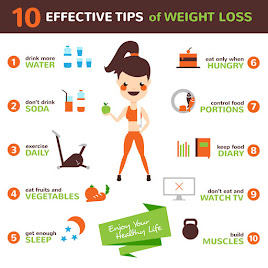
Top 10 tips for weight loss

Top 10 Best Exercise for Weight Loss


Arm Fat

 Arm Fat Arm fat refers to excess fat stored around the upper arms, which can make the arms appear less toned or firm. Regular physical acti...